
Case
Blog

Founder, Business strategy
Published
30 October 2026
Reading time
6 min read
"Neuromarketing? So you learn how to manipulate people, then?" That's sometimes the first reaction when I mention that I spent the past year studying neuromarketing. And of course, there is an ethical side to it: is it really OK to use insights into the brain to sell your product? At the same time, isn't that simply what sales is all about at its core? Don't we all do it?
The short answer: yes. In fact, it's not only people who use influence; it happens constantly in nature. Plants and animals also send signals to their surroundings to influence them. It's a deep-rooted survival strategy.
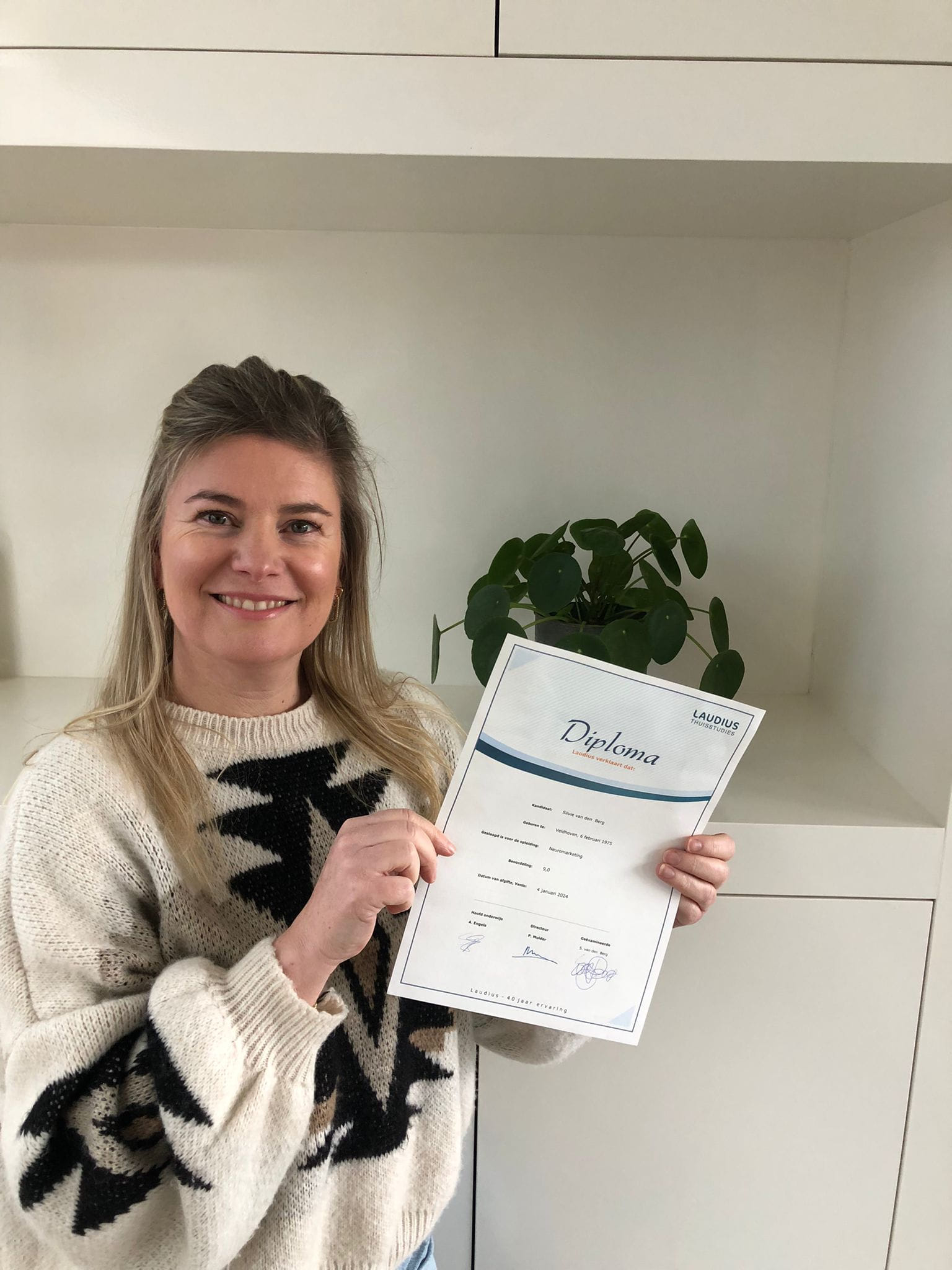
Now that I have my diploma in hand, it's a good moment to put what I've learned further into practice, and to share a few insights with you. In this blog, I'll tell you more about how you can use neuromarketing to grow your brand.
First, the background. Neuromarketing is not a sales technique but a form of research. You don't use insights into the human brain to change people, but to change the way you bring your brand, product or service to market, so that it matches your customers' wishes and needs as closely as possible, whether they're aware of those wishes and needs or not.
And that last part is important. Because our unconscious brain knows our real wishes far better than our conscious brain. We make 90% of our decisions unconsciously. Our unconscious is the captain of the ship; our consciousness rationalises our decisions afterwards. So if we limit ourselves to surveys and interviews to uncover stakeholders' needs, we're leaving an important area untouched.
Research into the human brain is carried out in various ways. We have the traditional MRI and the EEG. These show where in the brain, and at what moment, which activity takes place. That gives you direct scientific insight. How does someone respond to a stimulus? Is it a reaction of approach or of withdrawal? Wouldn't you be curious what happens in your customer's brain when they look at your product or logo? Do you see activity in the brain's reward centre? Is there activity in brain areas associated with social connection, such as the mirror neurons? Or do you instead see a response in the hypothalamic-pituitary-adrenal axis, which indicates a stress response?
Don't have the budget to carry out neurological research yourself? Existing insights will also get you a long way. Previous research has taught us a lot about influencing strategies. Well known is Cialdini's translation into his 7 principles of influence, which are easy to apply, but other researchers and experts have also developed models and theories that help us understand how and why people make certain decisions and how their behaviour can be influenced. At Partout, we make extensive use of these theories and models, whether it's brand strategy, positioning, proposition, brand experience, message house or the detail level of, for example, CRO.
If you want to grow, you first need to ask yourself whether your brand's foundation is strong enough to build on. Let us get you started with a number of steps you can take.
If you want to grow, you first need to ask yourself whether your brand's foundation is strong enough to build on. Let us get you started with a number of steps you can take.
Curious? Would you like to know more about this, or talk with us about what we can do to strengthen the foundations of your brand? Then do get in touch.
We are a B2B marketing agency in Eindhoven. We make sure B2B companies land on the shortlist of their ideal customers, especially in complex buying processes where others get stuck. We combine branding and demand generation so you become a brand in demand. Instead of just chasing leads, we build a brand that is seen, trusted and chosen.